Even more social rented homes lost in 2014 than in 2013
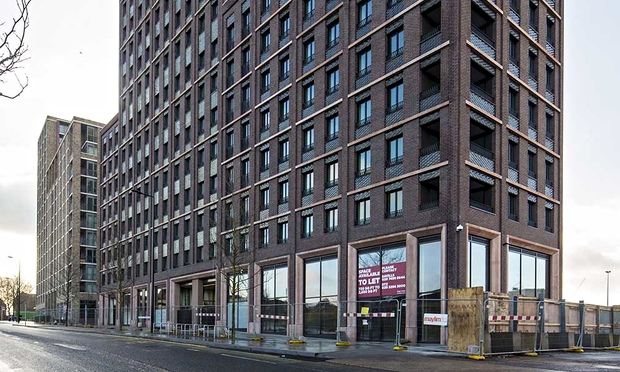
In the year ending April 2013 the stock of social rented homes in England fell by 19,189 dwellings, the fall in the year to April 2014 was more than twice this, at 43,850 homes. Over the last two years, just over 63,000 homes have been lost to social renting, of which the majority (just over 36,000) have been housing association homes. You can read more on our analysis on theguardian.com today.
The UK Housing Review 2015, due out soon, will analyse the reasons for this decline, which occurs even though over the last two years more than 28,000 new social rented properties have been built. How can the stock fall so sharply when new homes are being added to it? There are two main reasons and several minor ones.
For local authorities, the biggest single factor is right to buy, with over 17,000 sales in the two years. Transfers of stock to housing associations, which in the past has accounted for much of the decline in social renting by councils, have been at negligible levels in these two years. Although local authorities maintain their new build programmes, where these include replacements for right to buy properties the new houses have to be let at higher Affordable Rents (AR).
For housing associations, the biggest loss of social rented housing occurs because properties are being ‘converted’ (or re-let) at Affordable Rent, or sometimes sold, to provide extra income to fund new development. The estimated number of conversions or sales over the period 2011-15 (the life of the current Affordable Homes Programme – AHP) is over 75,000.
As well as the decline in social rented housing, there is also the lost opportunity to add to the stock as resources are diverted to building homes at higher Affordable Rents. In the past two years, 26,720 new AR properties were built under the AHP, homes which – with higher subsidy – could have been let at genuinely affordable rents.
Social rented homes are being replaced by new ones that, outside London, are let at 79% of market rents and in London at 65% of market rents (giving average monthly Affordable Rents of just under £500 outside London and £800 in the capital). While in some regions like the North East, Affordable Rents are only a little more than one-third higher than social rents, in London the ‘premium’ is more than two-thirds. Despite this, the profile of tenants getting lettings in the two parts of the sector is similar, putting extra pressure on the housing benefit bill.
On present trends, the record loss of social rented homes in the year to April 2014 will be exceeded in the current year, as right to buy and conversions accelerate and new build for social rent declines still further. By April 2015, we can safely predict that over 120,000 homes will have been lost to social renting over the three years in which the government’s Affordable Rents programme was being fully implemented.
CIH is calling on political parties to recognise the urgent need for more homes, but at the same time to ensure that a significant proportion are available at genuinely affordable rents. Far from the stock of social rented homes declining, we need to see an increase, catering for the huge number of households on low incomes who not only can’t afford to buy but also can’t afford to pay market (or near-market) rents. Affordable Rent certainly has a role to play in a balanced housing system, but not at the expense of social rent. We’d also like to see the government reviewing right to buy discounts and the way the receipts are used to make sure that all homes sold through the scheme are replaced on a genuine ‘one for one’ basis.
Original post and comments: Chartered Institute of Housing and also on 24dash.com